16 Sep 2026
Cross-Border Wallets Fueling Off-Hour Tennis Tiebreakers into Horse Racing Replays and Basketball Prop Chains That Hit Casino Accumulators

Digital payment systems that operate across national borders now support continuous betting sequences where participants move from late-night tennis tiebreakers in one region directly into archived horse racing replays and onward through basketball proposition chains that feed into accumulating casino prize pools. These flows rely on wallet technologies that handle multiple currencies and instant transfers while complying with varying regulatory frameworks in different jurisdictions.
Time Zone Markets and Wallet Integration
Markets in Asia and Australia provide tennis matches that align with evening hours in Europe and the Americas, and cross-border wallets allow users to fund accounts without repeated currency conversions or delays. Data from industry reports indicate that transaction volumes for such mobile wallets increased steadily through 2025, with further acceleration noted into September 2026 as platforms expanded support for regional payment rails. Observers note that these tools reduce friction between sportsbooks and casino sections, enabling users to shift balances from one product to another within the same session.
Wallet providers that maintain licenses in multiple territories process deposits and withdrawals through encrypted channels that satisfy local rules on anti-money laundering and responsible gaming. Figures released by the American Gaming Association show rising adoption of such systems among operators who offer combined sports and gaming products, particularly where users seek to chain outcomes across disciplines.
From Tennis Tiebreakers to Racing Replays
Off-hour tennis events often conclude with tiebreaker segments that carry elevated odds due to lower liquidity, and participants use wallet transfers to place wagers while simultaneously accessing video replays of earlier horse races from tracks in different hemispheres. This sequencing occurs because platforms integrate live data feeds with historical race archives, allowing the same account balance to support both in-play tennis selections and fixed-odds replay bets. Research conducted by academic groups tracking gambling technology adoption finds that seamless wallet connectivity correlates with higher session lengths across time zones.
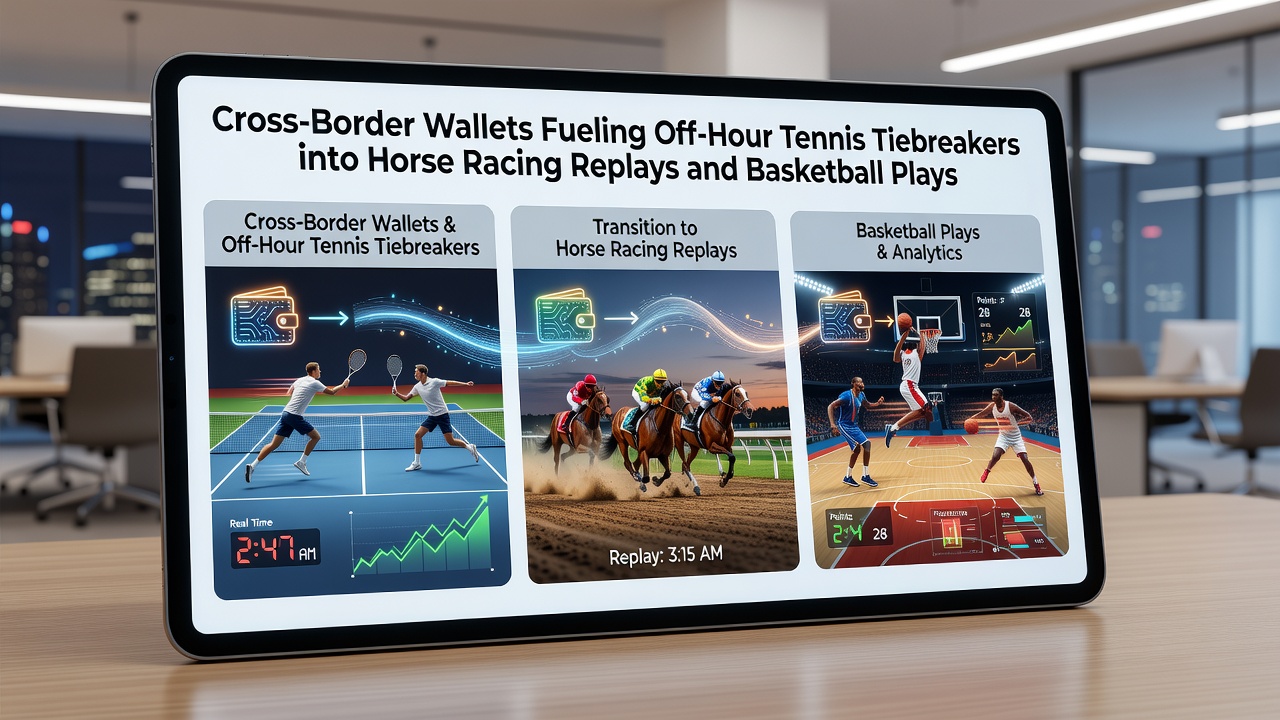
Operators structure these pathways so that winnings from one market can immediately fund positions in another without manual intervention, a feature that gained prominence as regulatory bodies in North America and the European Union updated guidelines on digital payment interoperability. Those who monitor transaction patterns report that replay betting on thoroughbred and harness races experiences spikes during periods when live tennis schedules overlap with archived content availability.
Basketball Props and Accumulator Linkages
Basketball proposition bets on player performance metrics frequently serve as the bridge between racing markets and casino accumulators, because platforms allow users to combine multiple prop outcomes into larger parlay structures that then route partial winnings toward progressive jackpot pools. Cross-border wallets facilitate this by maintaining unified ledgers that update in real time across sportsbooks and casino engines. Industry data compiled through 2026 illustrate that prop chains involving points, rebounds, and assists show measurable uptake when funded through instant transfer methods rather than slower card-based systems.
Regulatory sources in Canada and Australia have documented the expansion of these integrated offerings, noting that wallet providers must demonstrate compliance with both gambling and financial services statutes before platforms deploy the full chain functionality. The result appears in session logs where basketball selections transition directly into slot or table game accumulators without requiring separate logins or funding steps.
Regulatory and Technical Considerations
Authorities across jurisdictions continue to refine standards for cross-border wallet operations, with emphasis on transaction monitoring and user verification protocols that apply uniformly whether the activity involves tennis, racing, basketball, or casino products. Technical standards published by international standards organizations support interoperability between different wallet ecosystems, reducing the technical barriers that once segmented markets by geography. Evidence gathered by research institutions indicates that these standards contribute to measurable growth in multi-product betting sequences during off-peak hours.
Platforms that implement these wallets report consistent uptime across regions, and users experience fewer interruptions when shifting from one event type to the next. This technical reliability supports the chaining process that begins with tennis tiebreakers and extends through racing replays into basketball props and finally casino accumulators.
Conclusion
Cross-border wallet infrastructure now underpins sequences that link off-hour tennis tiebreakers with horse racing replays, basketball proposition chains, and casino accumulator entries through unified account management and instant settlement. Available data from regulatory and industry sources confirm ongoing expansion of these capabilities into September 2026, driven by technical interoperability and coordinated compliance frameworks across regions. The pattern reflects broader integration of payment systems with sports and gaming platforms rather than isolated product offerings.