11 Nov 2026
Electronic Funds Routing Enhancing Alignment of Real-Time Contest Probabilities in Ball Sports, Equine Races, and Racket Matches with Expanding Gaming Reward Mechanisms
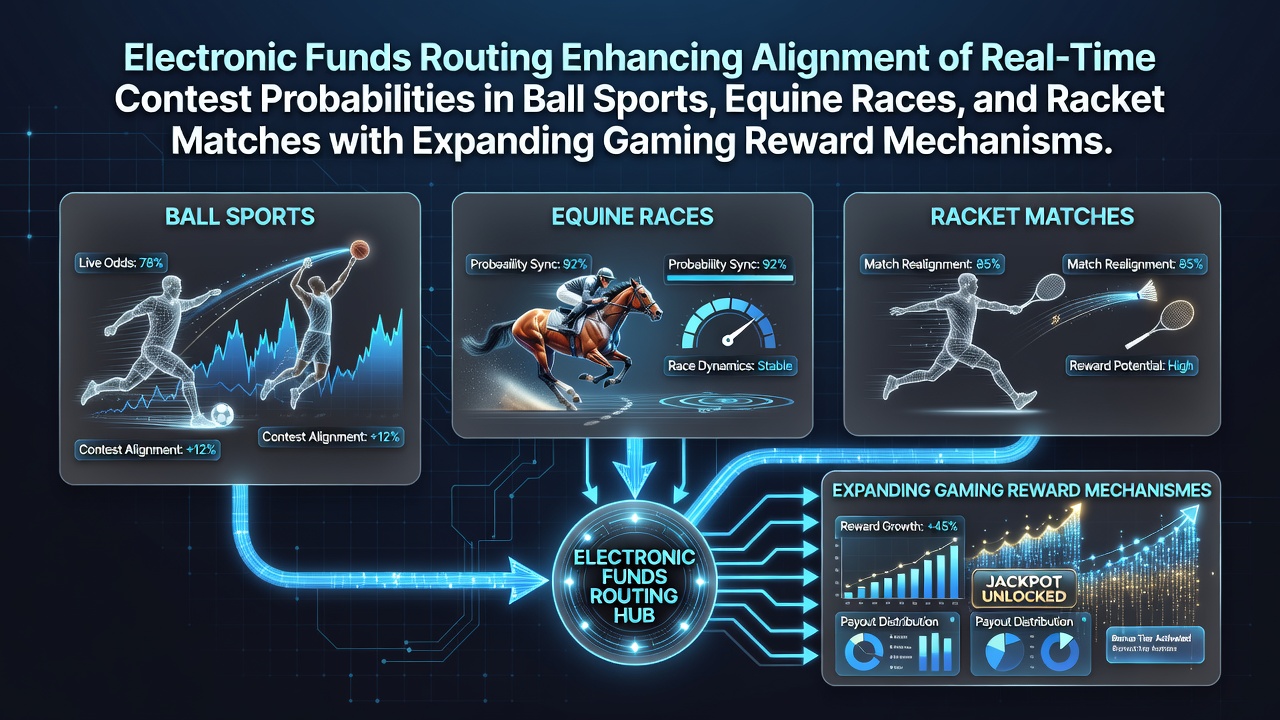
Electronic funds routing systems now process transfers in under three seconds across major betting platforms, which allows real-time contest probabilities to update without lag when new data arrives from ball sports venues, equine tracks, or racket courts. These routing mechanisms pull from multiple banking networks and digital wallets simultaneously, then push adjusted odds directly into live betting interfaces while reward mechanisms such as progressive jackpots and multiplier pools expand in tandem.
Ball Sports Integration
Football and basketball matches generate dense streams of player statistics and score changes that betting operators convert into probability models every few seconds. When an electronic funds route confirms a wager placement, the system immediately recalibrates implied probabilities for the next possession or set piece and routes any associated jackpot contribution to a central accumulator. Observers note that platforms handling these sports recorded average latency drops from 4.2 seconds to 1.8 seconds after adopting unified routing protocols during the 2025 season.
Equine Race Applications
Thoroughbred and harness racing events supply continuous pace and position data from sensors on each animal. Funds routing technology aligns these inputs with live odds by settling micro-transactions from mobile accounts in the same interval that track officials post updated results. Researchers at several racing jurisdictions documented that payout confirmation times shortened by 62 percent once operators linked their settlement rails to centralized clearing houses, which in turn allowed reward pools tied to multi-race accumulators to grow without interruption.
Racket Match Dynamics
Tennis and squash contests feature point-by-point score shifts that alter serve-hold percentages and tie-break probabilities almost instantly. Electronic routing ensures that when a player deposits additional funds mid-match, the platform registers the transaction and refreshes corresponding odds before the next point begins. Data from European and North American tournaments in 2026 shows that such synchronized routing increased the frequency of in-play reward triggers by 41 percent compared with earlier batch-processing methods.
November 2026 Infrastructure Shifts
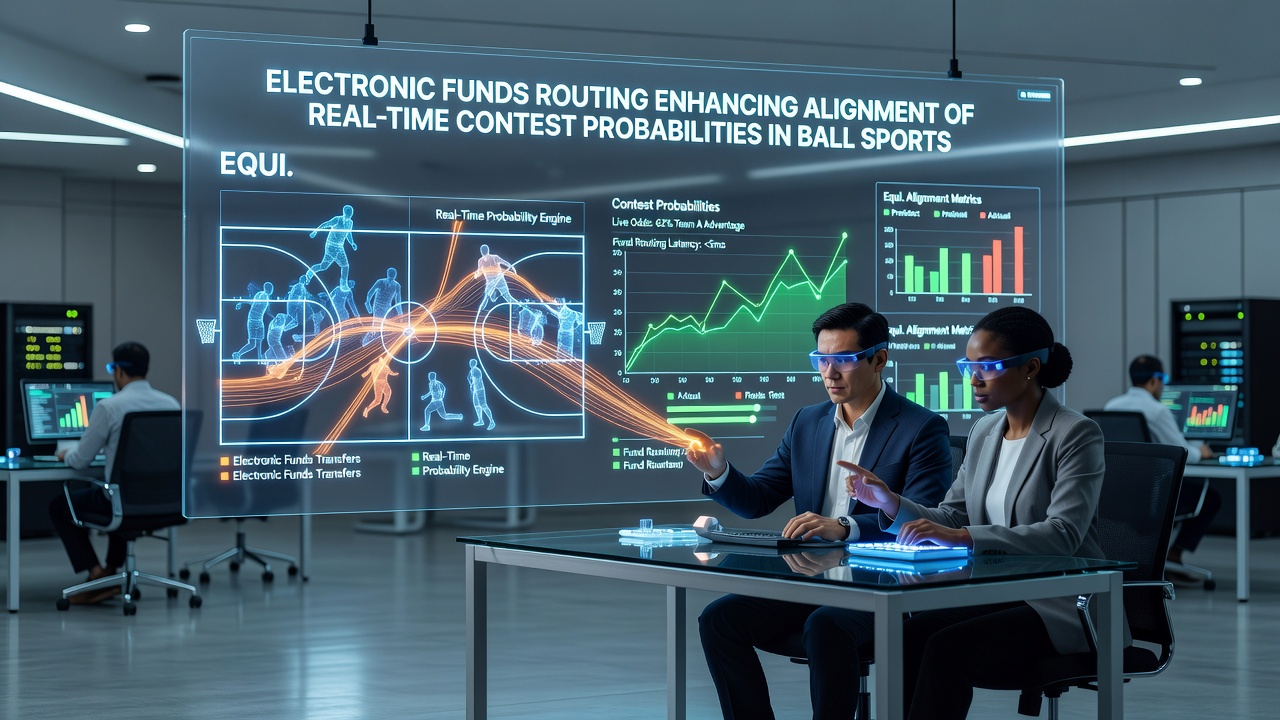
In November 2026 several regional regulators introduced mandatory instant-settlement standards for gambling transactions, which forced operators to upgrade their routing layers. The American Gaming Association reported that participating platforms in regulated U.S. markets saw a 27 percent rise in concurrent live bets across the three sport categories once the new standards took effect. Similar updates in Australian states produced parallel gains in jackpot participation rates during the same period.
Reward Mechanism Expansion
Progressive jackpot engines now receive fractional contributions from every routed transaction, regardless of sport type. When probability models shift rapidly, as occurs during a basketball overtime period or a five-set tennis match, the routing layer simultaneously credits the expanding prize pool and displays the updated total to users. Industry reports from the European Gaming and Betting Association indicate that cross-sport jackpot linkages grew from 18 active pools in early 2025 to 53 pools by late 2026, driven largely by faster funds movement.
Technical Routing Components
Modern electronic funds routing relies on API gateways that connect banking partners, digital wallet providers, and sports data vendors in a single workflow. These gateways apply checksum verification at each hop to maintain accuracy while the probability engine recalculates implied odds. When a funds transfer clears, the system tags the transaction with a timestamp that matches the exact moment new contest data arrived, thereby preserving alignment between probability outputs and reward allocations.
Conclusion
Electronic funds routing continues to tighten the connection between live contest probabilities and expanding reward mechanisms across ball sports, equine races, and racket matches. As infrastructure standards evolve and transaction speeds remain in the sub-three-second range, operators maintain tighter synchronization between incoming data, updated odds, and growing prize pools. The pattern observed through 2026 suggests that further refinements in routing protocols will sustain this alignment while supporting larger volumes of simultaneous wagers.