25 Aug 2026
Metric Synchronization Across Athletic Disciplines Activating Accumulating Prize Pools via Handheld Data Flows and Rapid Payment Systems
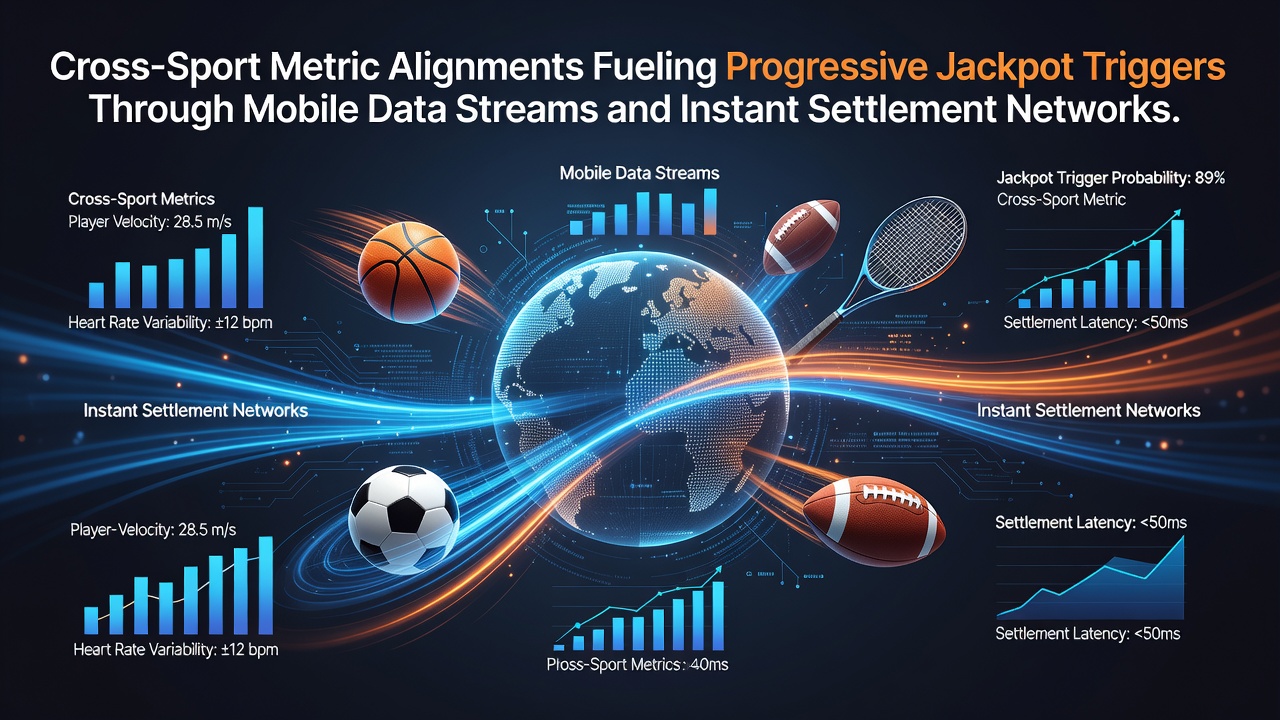
Platforms in the betting sector have integrated performance indicators from multiple athletic disciplines including soccer, tennis, basketball and horse racing to coordinate timing mechanisms that initiate progressive jackpot activations through continuous mobile data transmission and immediate settlement protocols. Observers note that these alignments occur when statistical patterns such as possession rates, serve percentages, scoring efficiency and sectional times reach synchronized thresholds that coincide with user activity on handheld devices.
Data Integration Mechanisms in Multi-Discipline Environments
Developers construct pipelines that pull real-time figures from diverse events and normalize them against historical datasets so that mobile applications can identify convergence points where conditions favor jackpot triggers. Research from institutions such as the University of Nevada Reno Gaming Research Center shows that such normalization processes reduce latency in cross-referencing variables and allow settlement networks to process corresponding wagers within milliseconds of confirmation. In August 2026 analysts recorded increased adoption of these pipelines following regulatory updates in several jurisdictions that permitted expanded data-sharing frameworks between licensed operators.
Those who have examined platform architectures explain that alignment protocols compare metrics across unrelated sports by converting them into standardized probability scores. A soccer team's pass-completion average might align with a tennis player's first-serve win rate and a basketball team's pace statistic when all three fall within predetermined ranges that historically precede high-volume slot activity. The resulting composite score then feeds into the jackpot engine through secure mobile streams that also handle instant fund movements upon outcome resolution.
Settlement Networks and Their Role in Trigger Timing
Instant settlement systems operate alongside the metric streams by confirming bet results and transferring winnings without intermediate delays so that users remain engaged with both the sports interface and the connected casino environment. Figures released by the Malta Gaming Authority indicate that average settlement times for combined sports and progressive features dropped below two seconds during the first half of 2026. This speed enables platforms to maintain continuous data loops where a confirmed settlement in one discipline can immediately update alignment calculations for another.
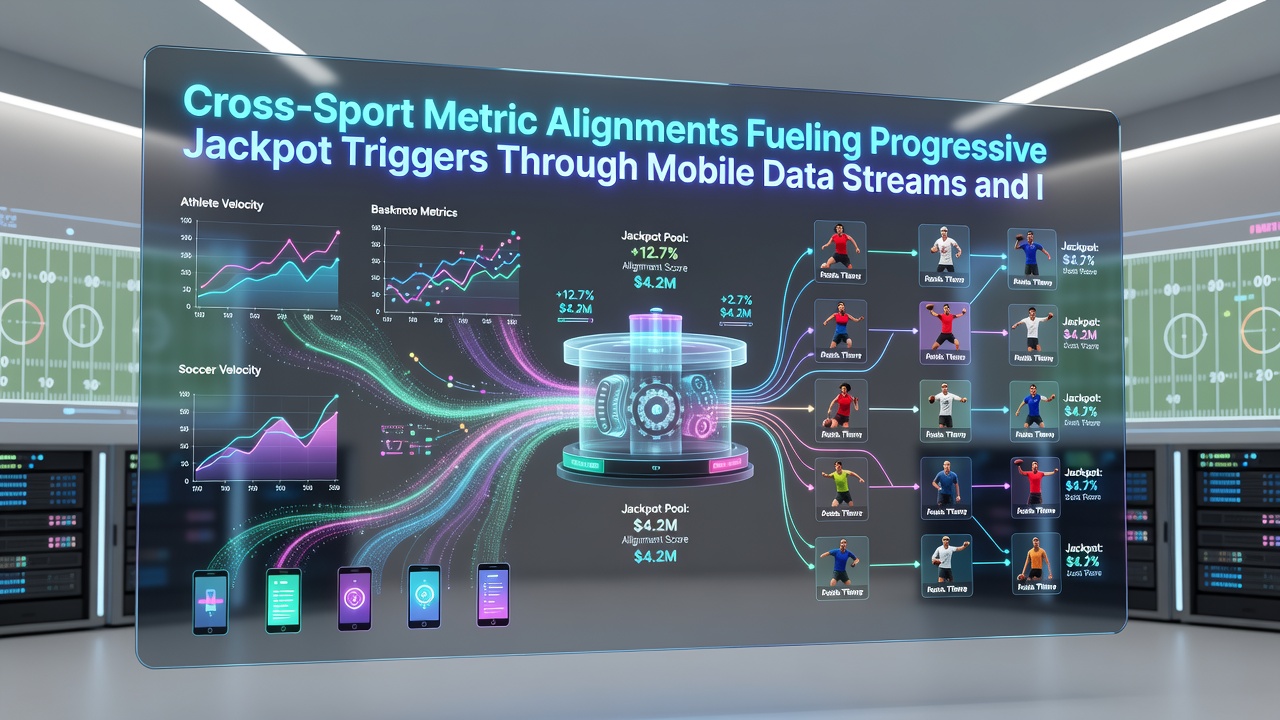
Payment gateways that support these networks incorporate encryption layers and regulatory-compliant audit trails that satisfy requirements from bodies such as the Alcohol and Gaming Commission of Ontario. Observers report that the combination of rapid settlement and metric synchronization has led operators to schedule promotional windows around periods when cross-sport alignments occur most frequently. One documented case involved a European operator that adjusted its bonus distribution schedule after internal data revealed higher jackpot trigger rates during simultaneous live sessions of Premier League matches and ATP tournaments.
Regional Regulatory Contexts and Industry Standards
Authorities across different regions have issued guidance on the technical standards required for data streams that link sports betting with casino progressives. The Australian Communications and Media Authority published updated interoperability requirements in early 2026 that emphasize secure transmission protocols and verifiable audit logs. Similar directives from the New Jersey Division of Gaming Enforcement stress that all metric-alignment calculations must remain transparent to regulatory oversight while preserving user privacy.
Industry associations including the European Gaming and Betting Association have compiled best-practice documents that outline how operators should structure their data pipelines to avoid conflicts between sports-specific rules and casino jackpot mechanics. These documents highlight the necessity of maintaining separate ledgers for each discipline even when composite scores drive a single jackpot event. Compliance teams therefore implement dual-validation steps that confirm both the sports outcome and the alignment condition before any payout occurs.
Future Developments in August 2026 and Beyond
By August 2026 several operators had begun testing machine-learning models that predict alignment windows days in advance by analyzing historical patterns across multiple sports calendars. These models integrate weather data for outdoor events, injury reports and scheduling conflicts to refine probability estimates. Academic papers from the University of Sydney Business School have examined the statistical validity of such predictive layers and found measurable improvements in trigger frequency when models incorporate at least four distinct sports metrics simultaneously.
Settlement networks continue to evolve with the introduction of blockchain-based verification layers that allow independent auditors to confirm transaction integrity without exposing proprietary alignment algorithms. Regulators in Canada and Australia have signaled support for these technologies provided they meet existing consumer-protection standards.
Conclusion
Cross-sport metric alignments operate through integrated data pipelines and rapid settlement networks that connect athletic performance indicators with progressive jackpot systems on mobile platforms. Regulatory bodies in multiple regions continue to shape the technical and compliance frameworks that govern these connections while industry research tracks measurable changes in trigger patterns. The infrastructure established by mid-2026 supports ongoing refinement of alignment protocols and settlement speeds without altering the fundamental separation between sports outcomes and casino mechanics.