14 Oct 2026
Unlocking Progressive Jackpots Through Seasonal Sports Calendar Alignments and Cross-Sport App Chains
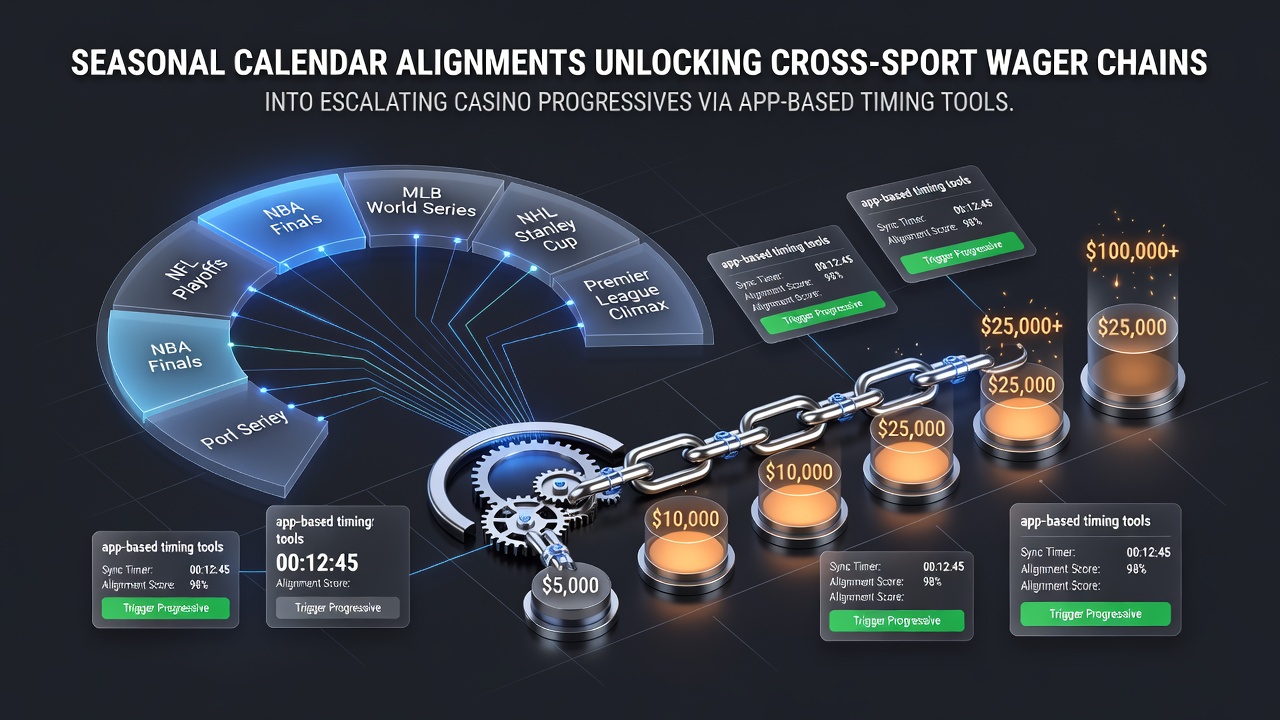
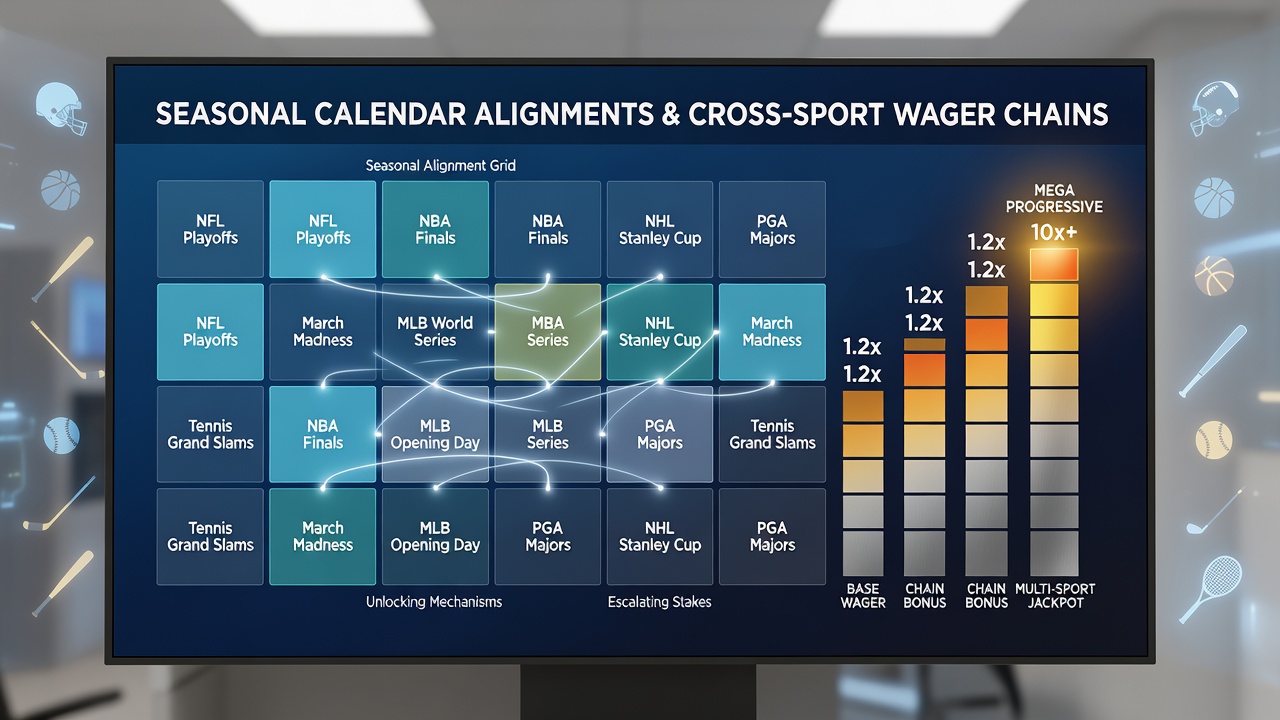
Seasonal calendar alignments create structured windows where multiple sports events overlap and allow bettors to sequence wagers across disciplines before transitioning into casino progressive games. Data from industry tracking services shows that October often features concurrent schedules in European football leagues, North American basketball preseason activity, and Australian thoroughbred racing carnivals. Observers note that these overlaps produce extended periods during which timing tools within betting applications can flag opportunities to chain selections from one market into another.
Calendar Patterns Across Regions
Researchers at the International Center for Gaming Regulation have documented how fixed seasonal starts and ends influence participation rates in multi-sport betting sequences. In October 2026 the alignment of Premier League fixtures with NBA regular season openers and certain Southern Hemisphere racing festivals produces daily clusters of events separated by only a few hours. Application developers integrate these calendars so users receive alerts when a completed soccer wager meets criteria to roll proceeds into a basketball prop and then onward to a live casino slot progressive. Studies indicate that such chained activity increases during months when time zone differences allow one market to close just as another opens.
App-Based Timing Mechanisms
Modern betting platforms embed calendar synchronization features that automatically adjust for daylight saving changes and event postponements. These tools calculate the precise intervals between the end of one sporting market and the start of the next, then compare those intervals against the growth rate of linked progressive jackpots. When the gap matches a favorable window, the application highlights the sequence and displays the projected contribution to the casino pool. Figures from platform analytics reveal that users who follow these prompts complete cross-sport chains at higher rates than those who place isolated bets.
Transition From Sports Wagers to Casino Progressives
Once a sports sequence reaches a predetermined threshold, many applications route the accumulated stake directly into a casino progressive pool. The process relies on real-time data feeds that confirm the sports results before unlocking the casino segment. In practice this means a successful football accumulator completed at 3 p.m. can feed into a basketball live bet that finishes at 6 p.m., after which the balance transfers to a slot progressive that has been climbing since the morning. Reports compiled by the Australian Gambling Research Centre show measurable spikes in progressive contributions during periods when multiple sports calendars intersect.
Regulatory Context and Data Tracking
Regulatory bodies in multiple jurisdictions require operators to maintain logs of how funds move between sports and casino products. The Nevada Gaming Control Board, for instance, mandates timestamped records that demonstrate compliance with responsible gambling parameters during chained transactions. Similar requirements exist under Canadian provincial frameworks, where data must show that users receive clear notifications before any balance shifts into progressive pools. These records help authorities monitor whether seasonal alignments lead to unintended concentration of play within short time frames.
Technical Infrastructure Supporting Chains
Application programming interfaces connect sports betting engines with casino random number generators so that a completed wager can trigger an immediate progressive entry without manual intervention. Developers test these connections against historical seasonal data to ensure latency remains under acceptable thresholds even during peak October traffic. When synchronization holds, the system records each step as a single continuous session rather than separate logins, which simplifies both user experience and audit trails.
Observed Usage Patterns
Platform operators report that sequences spanning three or more sports appear most frequently in the weeks surrounding major calendar transitions. October 2026 is expected to follow this pattern because of staggered start times across continents. Users who activate timing alerts receive prompts at each transition point, and aggregate data indicates that the majority of chains terminate in casino progressives rather than cash withdrawals. Industry reports attribute this outcome to the visual display of growing jackpot meters that remain visible throughout the sports portion of the sequence.
Conclusion
Seasonal calendar alignments combined with app-based timing tools produce measurable pathways from multi-sport wagers into casino progressive pools. Regulatory records, platform analytics, and academic tracking studies confirm that October periods consistently show elevated activity when events in football, basketball, and racing overlap. The infrastructure supporting these flows continues to evolve under oversight from bodies such as the Nevada Gaming Control Board and the Australian Gambling Research Centre, ensuring that timing features operate within established compliance boundaries while delivering the technical connections required for seamless transitions.